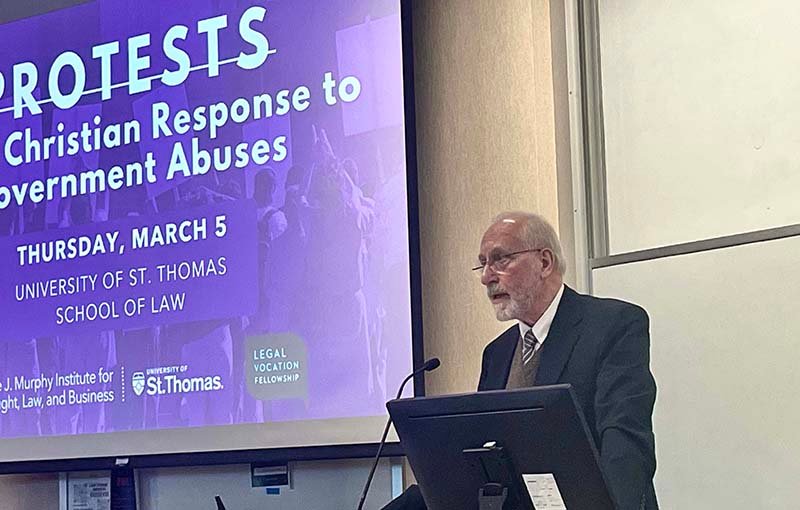
Tim Montgomery / The Catholic Spirit
MINNEAPOLIS (OSV News) — A March 5 meeting of legal and other experts at the University of St. Thomas School of Law in Minneapolis considered the topic “Protests and a Christian Response to Government Abuses.”
The event featured a panel discussion sponsored by the Murphy Institute, a partnership between the university’s Center for Catholic Studies and the law school, in collaboration with the Opus College of Business, to inspire mission-driven education.
Groundwork for group discussion
Opening remarks by the moderator, Robert Kennedy, a professor of Catholic studies, laid some groundwork for group discussion on what the Christian response should be to perceived civil injustice.
One basic expectation of the faith, he said, is that Christians will always strive to manifest charity — not as a kind of condescension or generosity, but as a genuine willingness to love others, in following the example of Christ.
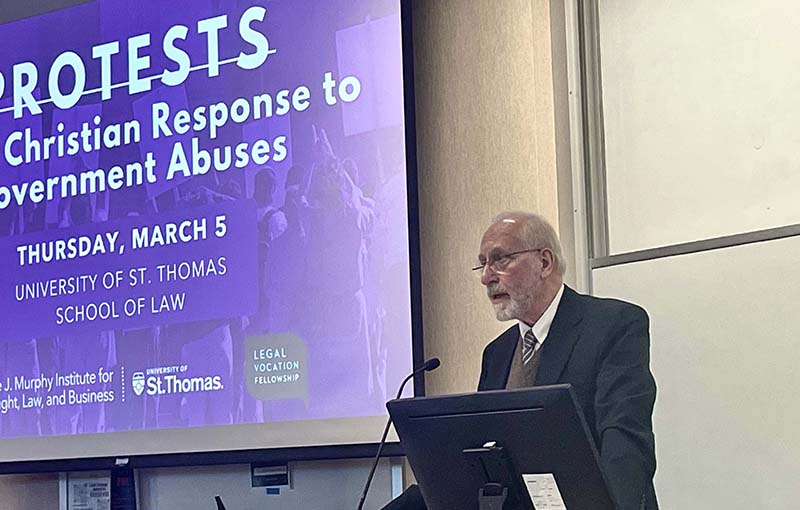
Panelists included Rachel Moran, a University of St. Thomas professor and Robins Kaplan director of clinical education; Thomas Berg, a UST James L. Oberstar professor of law and public policy; Francis Shen, a University of Minnesota law professor; and John Inazu, a Washington University Sally D. Danforth distinguished professor of law.
In response to prompts and questions, panelists discussed present-day challenges to the Christian faith.
New Testament and civil disobedience
In his remarks Kennedy said relevant context for civil disobedience in the New Testament can be found in Chapter 13 of St. Paul’s Letter to the Romans, and in the second chapter of 1 Peter, both of which emphasize the very strong, but not absolute duty to obey lawful authority.
“Jesus submitted to civil authority,” Kennedy pointed out, “even when that authority chose to condemn him unjustly to death.” He said that peacefully enduring an injustice in some instances could be considered “an act of charity.”
“Peace creates the space for harmony and trust,” he said, “and it is perilous to sacrifice it for ephemeral objectives.”
Considering the common good
Kennedy maintained that practicing charity and considering the common good should form the basis for Catholic ethical and legal considerations regarding protesting. He said members of civil societies also need to practice obedience (though never absolute, nor requiring people to close their eyes to injustice), forbearance (moderating criticisms and speaking carefully), and to have patience (which may enable people to see things more clearly over time).
Before protesting, he said, people should be sure to have “clean hands, open minds and loving hearts” to act for the right reasons and not harm the common good more than the perceived injustice.
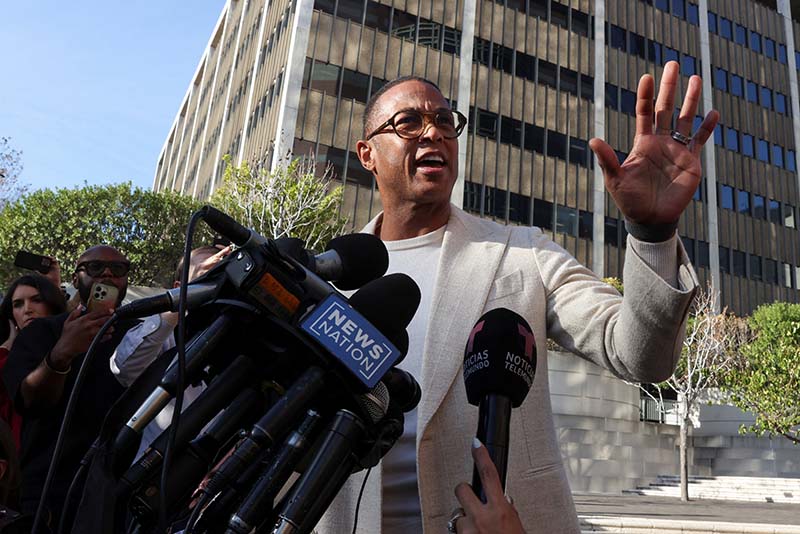
Moran’s perspective came from her role as a practitioner — a lawyer who has defended protesters in court. She said protest is a controversial topic, but that she has found it worthwhile as a Christian lawyer to represent civilians in court for protesting government abuse of power.
Abuse of power ‘constant temptation’
“Both Old and New Testament are replete with examples of people in power abusing their power,” Moran said. “The Bible makes it clear that abuse of power is a constant temptation.”
Moran said Scripture affirms the value and equality of all people and that protesting government abuses often involves standing up for marginalized groups such as racial minorities, immigrants and the impoverished. She said Jesus himself encouraged his followers to minister to those who were marginalized. The benefit of protesting, said Moran, is that it encourages critical thinking and engaging in issues that might otherwise be ignored.
Berg, in his comments, addressed the protest Jan. 18 that interrupted a Sunday worship service at Cities Church in St. Paul. He said it raised distinct issues he was interested in as a scholar and as an advocate of freedom of religion. As to legality, he said entering private property and disrupting individual worship interfered with constitutionally protected activity.
Days of civil rights activism
Berg said that in the days of civil rights activism, silent “kneel-ins” at local churches succeeded because the mere presence of the participants conflicted with the norm of segregation in the nature of the worship service.
“We don’t have a tradition of a legal right to disrupt services vocally or physically like at Cities Church,” Berg noted. As to its effectiveness, he said that although tension was created that compelled consideration of the issue, abrupt disruption of worship works against persuasion.
Shen harkened back to a question asked at a campus ministry gathering about whether Christians should vote since it’s been said “we are in the world, but not of it.”
A space for protest
Certainly, he said, there is a space for protest. Sometimes, he said it is necessary to discern whether to protest, because, according to Catechism of the Catholic Church No. 2242, “directives of civil authorities should not necessarily be followed when they are contrary to the demands of the moral order.”
But he said to discern, people have to be consistent in their morals and can’t simply protest as a response to social pressures. Shen said that for Christians and Catholics, there is the opportunity to protest but that it isn’t always appropriate or inappropriate to do so, “which means it’s one of those really hard decisions that comes down to conscience and the moral order.”
Inazu pointed out that the right of assembly in this country is anchored in religious freedom — and that the history of dissent and protest mirrors the fight for religious freedoms. He noted that the women’s suffrage movement and the temperance movement were led by Christians, and that the labor union movement was rooted partly in faith. The Civil Rights Movement was anchored in faith, he said.
Theological witness more long range
Inazu also noted that the defense of civil liberties was a mechanism of support for those not in power, and that theological witness is more long range, and creating real change takes more than protest.
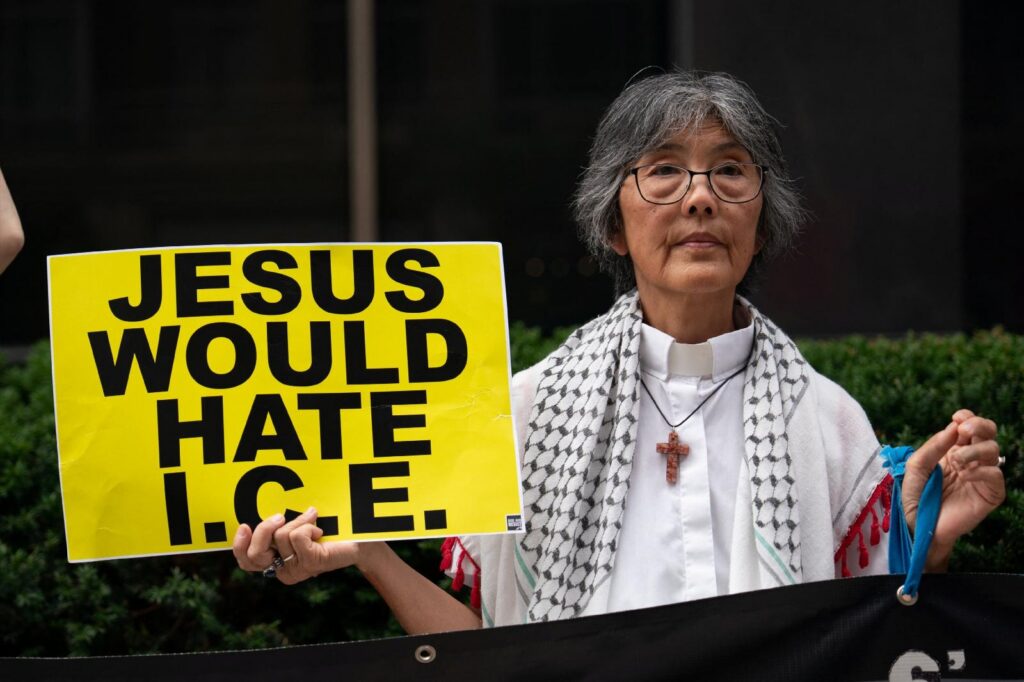
In response to a prompt by Kennedy as moderator about the purpose of protest, and taking action versus impeding action, Shen said the nature of a protest has to be considered. He added that solidarity is a powerful principle, and that as a connected people, standing with those who are marginalized can affect change.
Kennedy went on to say that it is incumbent on protesters to calculate unintended consequences and results of a protest, such as blocking traffic and inhibiting emergency vehicle response. Inazu added that human relationships are dynamic and hard to predict.
Wildly different motivations
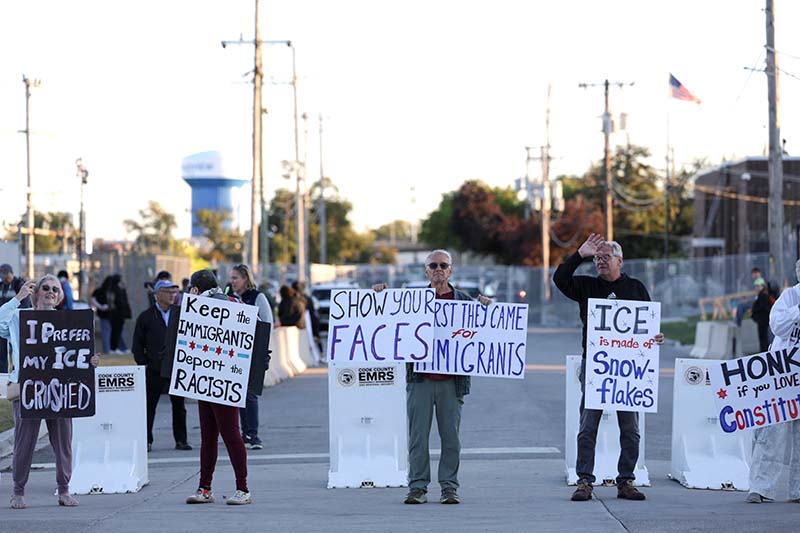
Moran said protesters often have wildly different motivations, as evidenced by the difference in sentiments displayed on the signs they hold. But that alone, she said, doesn’t mean a person shouldn’t be part of a protest.
A question from the audience noted that not everyone attending a protest has control over what others do or how they act. What can be done to convey rules to a large group and control potentially adverse behavior?
Berg noted that the overall aim of the Civil Rights Movement was to confront the issue of segregation and to convert hearts through peaceful protest. He said violent actions will not win hearts.
Tim Montgomery writes for The Catholic Spirit, newspaper of the Archdiocese of St. Paul and Minneapolis. This story was originally published by The Catholic Spirit and distributed through a partnership with OSV News.
The post What challenges does protesting present in Christian faith? Minnesota panel tackles topic first appeared on OSV News.